Types of Dental Implants in Diamond Bar, CA
There are four main ways to replace missing teeth with implants: a single-tooth implant, two or three implants that support a fixed bridge, All-on-4 for a full row of teeth, and an implant-supported removable denture. Which one suits you depends on how many teeth are missing and how much jawbone you have.
At Diamond Bar Dental Studio, an exam decides the right option for each person. This page explains each type so you know what to ask when you come in.
Single-tooth implants: replacing one tooth
A single-tooth implant is the simplest type. It works in two parts. A titanium artificial root is placed into the jawbone by Dr. Cho or Dr. Jeon, and a small cap protects the gum while the area heals.
Then comes waiting. The implant needs roughly six weeks to several months to bond ("integrate") with the bone. Only after that is the visible tooth added on top.
This option suits someone who is missing one tooth and has enough bone to hold the implant. Several single implants can also be placed in different spots if teeth are missing in more than one area. For a step-by-step timeline, see treatment process and schedule.
Dr. Jeon performs molar implant surgeries, so back-tooth replacement is covered here as well.
Two or three implants to support a fixed bridge
When several teeth in a row are missing, you do not need one implant per tooth. Two or three implants can carry a fixed bridge. The bridge has more teeth showing than there are implants, much like a traditional bridge resting on natural teeth.
The bridge is held by abutments, small connectors screwed into the implants. The office explains that placing two or three implants this way is more cost-effective than a fixed bridge alone, though exact figures depend on your plan.
Because an implant does not move the way a natural tooth does, the dentist plans the number of implants carefully and chooses the type of restoration at the same time. That planning step is why a consultation comes first. Read how the pieces add up on our cost breakdown page.
All-on-4 and implant-supported dentures: replacing a full row
All-on-4 places four implants in the upper jaw, the lower jaw, or both, and a full set of replacement teeth is fixed to them. Traditional dentures can shift or come loose; this approach anchors the teeth instead. The main requirement is enough bone. Details are on our All-on-4 page.
Implant-supported removable dentures are another route when many or all teeth are missing. Several implants are joined by a cast metal bar, and clips on the underside of the denture snap onto it. Because the denture rests largely on the bar rather than the gums, it tends to feel more comfortable and stay steadier than a conventional denture.
The difference to weigh: All-on-4 teeth are fixed in place, while a bar-and-clip denture can be taken out.
When bone grafting comes first
Implants need bone to bond with. If there is not enough, the implant may fail to integrate. In that case Dr. Cho or Dr. Jeon may recommend a bone graft before any implant is placed.
Graft material comes in several kinds, such as your own bone, bone from a human donor, animal bone, or synthetic material. The doctors explain the pros and cons of each. Recovery from a graft usually takes about two to four months, and it varies from person to person.
Grafting adds a separate step, so it affects both the timeline and the cost. Learn more on our bone grafting page.
How we decide which type fits you
The first thing the doctors look at is how much bone you have. They also weigh how many teeth are missing and what kind of restoration will sit on the implants.
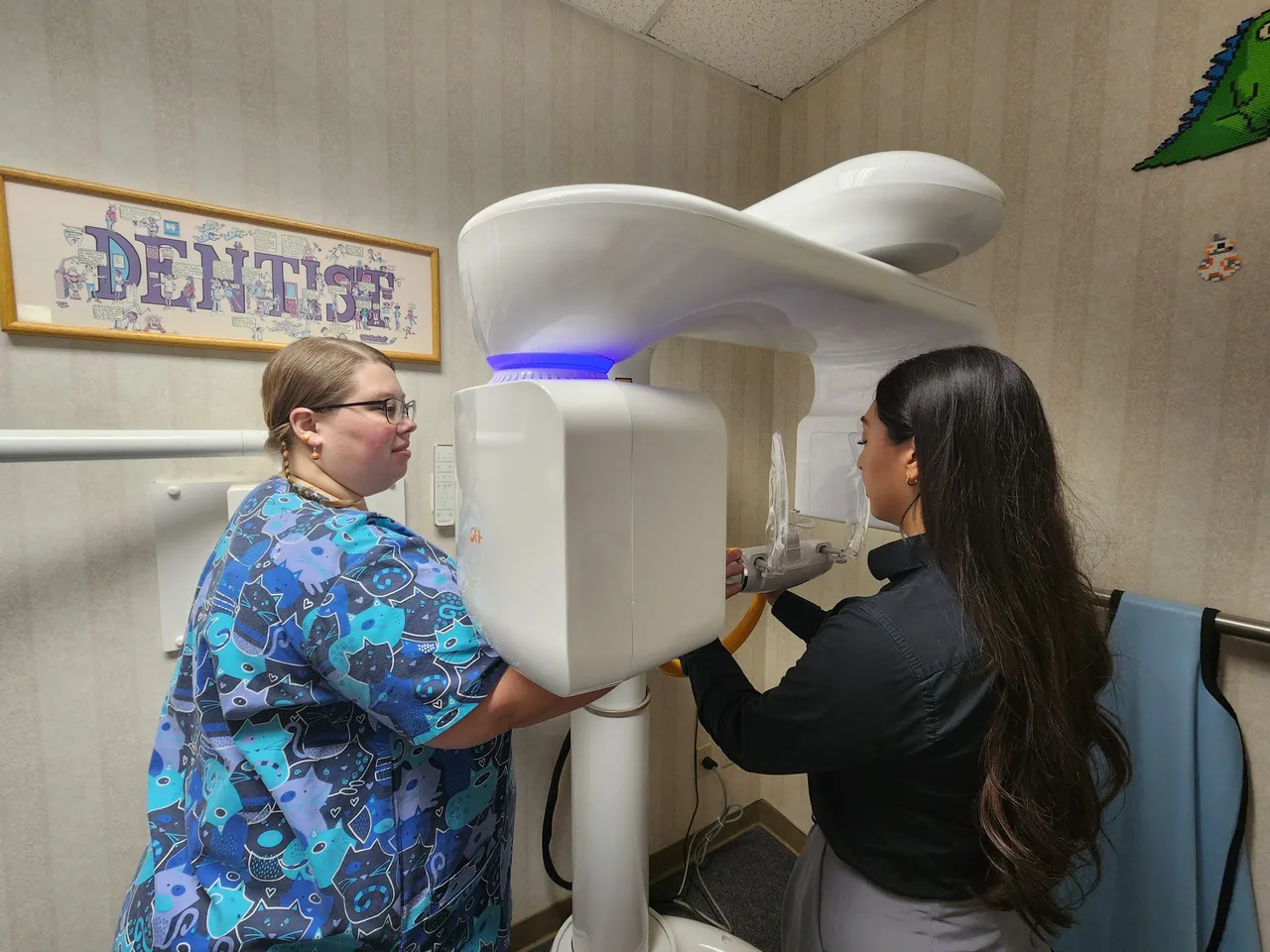
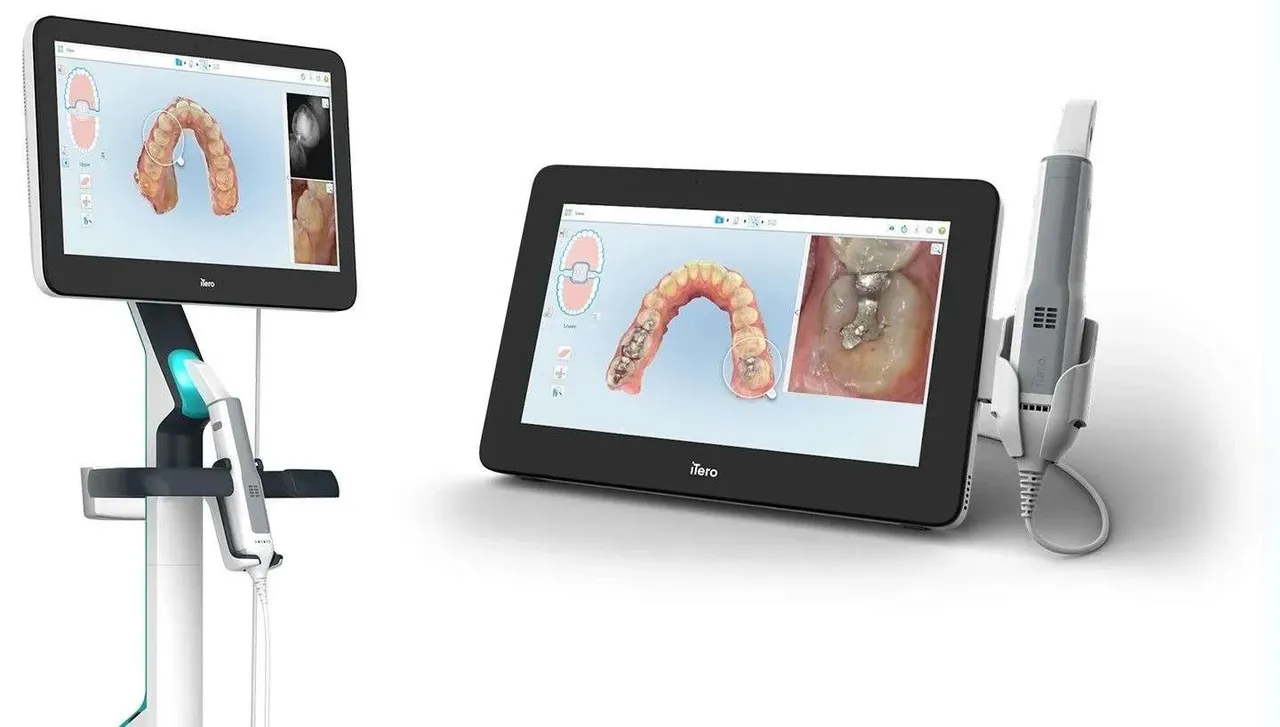
The office uses iTero intraoral scanners and digital X-rays to get detailed images, so you can see the plan on screen. Meet the people who place implants on our doctors page.
The practice accepts all PPO insurance, but whether a plan covers implants is something to check. Our insurance page explains what to ask.
Ready to compare options for your own mouth? Book a consultation or call (909) 403-1661. We are open Monday to Thursday 8 AM to 5 PM and Friday 8 AM to noon.
Frequently Asked Questions
Which type of dental implant is right for me?+
It depends on how many teeth are missing and how much bone you have. The doctors check your available bone at the exam, then plan the number of implants and the type of restoration together. A consultation decides what is right for you.
Do I need a bone graft before an implant?+
Not always. If there is not enough bone for the implant to bond, the doctors may recommend a graft first. They assess your bone during the exam and explain the graft options if one is needed.
Can I get All-on-4 on the upper and lower jaw?+
The office says All-on-4 can be done on the upper row, the lower row, or both. The main requirement is enough bone, which the doctors evaluate at your exam.
Inside Our Office

Questions about Dental Implants?
Call (909) 403-1661 or book a consultation to find out which implant type fits your mouth.